Before the play opens
The Battle of Shrewsbury
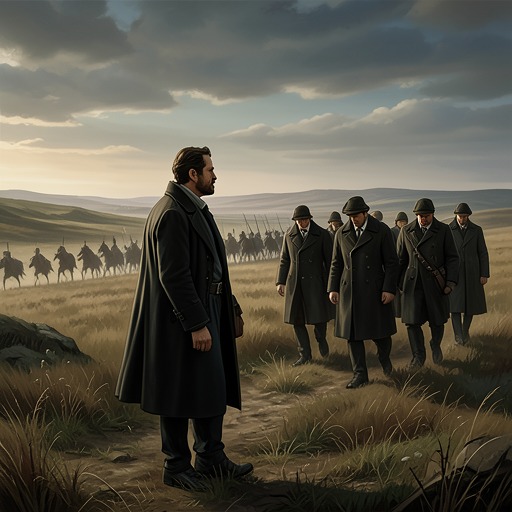
At [Shrewsbury](entity:location-recall-location-shrewsbury-9d24650803b1), [King Henry IV](entity:character-recall-character-king-henry-iv-901f5f71c375)’s forces defeat the rebels. [Harry Percy](entity:character-recall-character-harry-percy-a0ddbe3807b9)—known as Hotspur—is killed by [Prince Henry](entity:character-recall-character-prince-henry-229d2458a183), while [Worcester](entity:character-recall-character-worcester-fbeaa54624ad) is captured and [Douglas](entity:character-recall-character-douglas-e0c397ccfd45) is eventually taken as well. The defeat breaks the rebel army’s resolve and leaves the [Earl of Northumberland](entity:character-recall-character-f950af660daf) without his son.
Immediately after the Battle of Shrewsbury
Rumour’s False Victory
[Rumour](entity:character-recall-character-rumour-72031f53da2c) announces that the king and [Prince Henry](entity:character-recall-character-prince-henry-229d2458a183) have fallen, and that [Harry Percy](entity:character-recall-character-harry-percy-a0ddbe3807b9)’s side has won. The report travels toward [Warkworth Castle](entity:location-recall-location-warkworth-castle-008515d329a5), where the [Earl of Northumberland](entity:character-recall-character-f950af660daf) is waiting for news, while messengers repeat what Rumour has planted rather than what they know.
Soon after the battle
A False Report Arrives
[Lord Bardolph](entity:character-recall-character-lord-bardolph-5df9cf8728c3) reaches the [Earl of Northumberland](entity:character-recall-character-f950af660daf) with a triumphant account of the fighting. He says the king is near death, [Prince Henry](entity:character-recall-character-prince-henry-229d2458a183) is slain, and [Harry Percy](entity:character-recall-character-harry-percy-a0ddbe3807b9) has taken [Falstaff](entity:character-recall-character-falstaff-999cac37dc2c) prisoner; the report briefly gives Northumberland the victory he longs to hear.
Shortly after Lord Bardolph’s arrival
Conflicting News
Travers returns with a very different report. He has heard from a bloodied rider that the rebellion has gone badly and [Harry Percy](entity:character-recall-character-harry-percy-a0ddbe3807b9)’s spur is cold, but [Lord Bardolph](entity:character-recall-character-lord-bardolph-5df9cf8728c3) dismisses the rider as an unreliable thief and urges Northumberland to trust the news he brought.
The same day at Warkworth Castle
Morton Confirms the Defeat
Morton arrives from the battlefield and confirms that [Harry Percy](entity:character-recall-character-harry-percy-a0ddbe3807b9) is dead. He describes [Prince Henry](entity:character-recall-character-prince-henry-229d2458a183)’s victory, the collapse of the rebel troops after Percy fell, [Worcester](entity:character-recall-character-worcester-fbeaa54624ad)’s capture, and [Douglas](entity:character-recall-character-douglas-e0c397ccfd45)’s defeat; the king has also sent a force north against Northumberland.
Immediately after Morton’s report
Northumberland Chooses Resistance
Northumberland’s grief turns into a furious resolve to fight, but [Lord Bardolph](entity:character-recall-character-lord-bardolph-5df9cf8728c3), Travers, and Morton urge him not to let passion destroy the remaining cause. Morton adds that the [Archbishop of York](entity:character-recall-character-d6f54de073e8) has raised a new force, giving Northumberland grounds to hope the rebellion can continue.
Soon after the Battle of Shrewsbury
Falstaff Faces the Chief Justice
In [London](entity:location-recall-location-london-420923d4a60a), [Falstaff](entity:character-recall-character-falstaff-999cac37dc2c) trades insults with his page and tries to avoid the [Lord Chief-Justice](entity:character-recall-character-lord-chief-justice-265cb8472de8), who reminds him of his robbery case and his influence over [Prince Henry](entity:character-recall-character-prince-henry-229d2458a183). Falstaff jokes away the charges, but learns that he is to serve in the campaign against the [Archbishop of York](entity:character-recall-character-d6f54de073e8) and Northumberland.
During the same early days of the renewed rebellion
The Rebel Council Counts Its Strength
At [York](entity:location-recall-location-york-6b9d2a502b1a), the Archbishop, [Hastings](entity:character-recall-character-hastings-029f205dc92e), [Mowbray](entity:character-recall-character-mowbray-03c1fd59d3e2), and [Lord Bardolph](entity:character-recall-character-lord-bardolph-5df9cf8728c3) assess their available troops. Their twenty-five thousand men might face the king’s forces, but Lord Bardolph warns that they cannot safely count on Northumberland’s promised support until it actually arrives.
At the rebel council in York
The Case Against the King
The Archbishop argues that the common people have turned against the ruler they once welcomed, and invokes the memory of [Richard II](entity:character-recall-character-richard-ii-37e7b3743e18) to condemn the instability of the present government. The council weighs political grievances against the danger of relying on hopes and promised reinforcements, the very mistake that helped destroy [Harry Percy](entity:character-recall-character-harry-percy-a0ddbe3807b9) at [Shrewsbury](entity:location-recall-location-shrewsbury-9d24650803b1).
Before Prince Henry returns to London
Falstaff’s Debts and Dispatches
Left short of money, [Falstaff](entity:character-recall-character-falstaff-999cac37dc2c) complains that borrowing only prolongs the illness of his purse. He sends letters to [Prince Henry](entity:character-recall-character-prince-henry-229d2458a183), the Lord of Lancaster, and [Westmoreland](entity:character-recall-character-westmoreland-6120a6ef2994), as well as to Mistress Ursula, whom he has long promised to marry.
After the rebel council’s preparations
A Family Pleads with Northumberland
At [Warkworth Castle](entity:location-recall-location-warkworth-castle-008515d329a5), [Lady Percy](entity:character-recall-character-lady-percy-78a89e581695) reminds Northumberland that he failed to support [Harry Percy](entity:character-recall-character-harry-percy-a0ddbe3807b9) when his son most needed him. She asks him not to repeat that failure by rushing into another battle, and urges him to wait until the rebels have proved their strength.
Soon after Lady Percy’s appeal
Northumberland Withdraws to Scotland
Northumberland admits that his honour seems pledged to the cause, but [Lady Percy](entity:character-recall-character-lady-percy-78a89e581695) and his wife press him to stay clear of the first fighting. He resolves to withdraw to [Scotland](entity:location-recall-location-scotland-4e112aa71aa3) and wait for a clearer opportunity, a decision that leaves the Archbishop’s rising without the support it had counted on.
During the early days of the campaign
Mistress Quickly Arrests Falstaff
[Mistress Quickly](entity:character-recall-character-mistress-quickly-52754e8d400c) brings officers to arrest [Falstaff](entity:character-recall-character-falstaff-999cac37dc2c) over the money he owes her. She recounts his promises of marriage and the loans he has drawn from her, while Falstaff tries to turn the dispute into a joke and escape the officers’ grasp.
Immediately after the arrest
The Chief Justice Orders Repayment
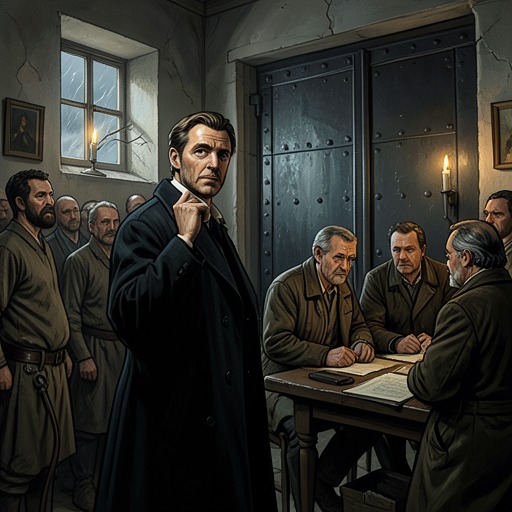
The [Lord Chief-Justice](entity:character-recall-character-lord-chief-justice-265cb8472de8) hears [Mistress Quickly](entity:character-recall-character-mistress-quickly-52754e8d400c)’s claim and rejects [Falstaff](entity:character-recall-character-falstaff-999cac37dc2c)’s attempt to portray her as deluded. He orders Falstaff to repay the debt and make amends, while Falstaff bargains, promises money, and quickly resumes his familiar, evasive manner.
Soon after Prince Henry reaches London
Prince Henry Plans a Disguise
[Prince Henry](entity:character-recall-character-prince-henry-229d2458a183) meets [Poins](entity:character-recall-character-poins-82f7599a049e) and reflects on how his disreputable companions make it impossible for him to display grief for his sick father without seeming hypocritical. After reading [Falstaff](entity:character-recall-character-falstaff-999cac37dc2c)’s teasing letter, he learns that Falstaff is back at the Boar’s Head Tavern and decides to spy on him in disguise.
That evening at the Boar’s Head Tavern
The Tavern Company Gathers
[Mistress Quickly](entity:character-recall-character-mistress-quickly-52754e8d400c) and Doll Tearsheet welcome [Falstaff](entity:character-recall-character-falstaff-999cac37dc2c) to the tavern. Falstaff jokes with Doll, while she reminds him that he is going to war and may not return; their intimacy is mixed with teasing, quarrels, and the everyday precariousness of their lives.
That evening, before Prince Henry reveals himself
Pistol’s Tavern Quarrel
[Pistol](entity:character-recall-character-pistol-bcd98d617742) arrives and provokes Doll Tearsheet with swaggering boasts and insults. When he will not leave, [Falstaff](entity:character-recall-character-falstaff-999cac37dc2c) drives him downstairs and wounds him in the shoulder, then returns to the revelry as though the clash were merely a passing nuisance.
Later that evening at the Boar’s Head Tavern
The Prince Reveals Himself
Disguised as a drawer, [Prince Henry](entity:character-recall-character-prince-henry-229d2458a183) overhears [Falstaff](entity:character-recall-character-falstaff-999cac37dc2c) mocking him and [Poins](entity:character-recall-character-poins-82f7599a049e). He steps forward with Poins, challenges Falstaff about the insults, and listens as Falstaff invents a self-serving explanation: he had disparaged the prince only to keep wicked people from admiring him.
The same night
News Calls the Prince to Duty
[Peto](entity:character-recall-character-peto-20f0318c3586) arrives with news that [King Henry IV](entity:character-recall-character-king-henry-iv-901f5f71c375) is at [Westminster](entity:location-recall-location-westminster-797ba54e0a11) and that exhausted captains are searching for [Falstaff](entity:character-recall-character-falstaff-999cac37dc2c). [Prince Henry](entity:character-recall-character-prince-henry-229d2458a183) recognizes that he has wasted precious time while political upheaval threatens the kingdom, then leaves with [Poins](entity:character-recall-character-poins-82f7599a049e) and the others to respond to the crisis.
Immediately after Prince Henry’s departure
Falstaff Receives His Muster
Captains summon [Falstaff](entity:character-recall-character-falstaff-999cac37dc2c) to take charge of soldiers for the king’s campaign. He leaves the tavern with [Bardolph](entity:character-recall-character-bardolph-1f8f874ddef8), presenting himself as a man of action while already thinking about the money and advantages his commission may bring.
One o’clock after midnight, at Westminster
The King Cannot Sleep
[King Henry IV](entity:character-recall-character-king-henry-iv-901f5f71c375) lies awake, wondering why sleep comes readily to poor laborers and sailors but not to a king. The crown’s burdens leave him alert to danger and responsibility, and the scene makes the cost of sovereignty personal rather than ceremonial.
The same night
The King Measures the Crisis
[Warwick](entity:character-recall-character-warwick-643388fd1151) and Surrey review the reports of disorder with the king. Henry remembers how Northumberland once helped him rise against [Richard II](entity:character-recall-character-richard-ii-37e7b3743e18) and how that alliance has turned into enmity; Warwick argues that [Rumour](entity:character-recall-character-rumour-72031f53da2c) has exaggerated the rebel numbers and reports that Glendower is dead.
After the king’s sleepless night
Falstaff Recruits in Gloucestershire
[Falstaff](entity:character-recall-character-falstaff-999cac37dc2c) inspects the men assembled by [Shallow](entity:character-recall-character-shallow-cb20b3ec9026) and mocks their names, trades, and appearances as he selects a company. Mouldy and Bullcalf pay [Bardolph](entity:character-recall-character-bardolph-1f8f874ddef8) to spare them from service, while Falstaff chooses poor and frail recruits who are easier to exploit and less likely to be missed.
After the recruitment at Shallow’s house
Falstaff Exploits Shallow’s Trust
[Falstaff](entity:character-recall-character-falstaff-999cac37dc2c) accepts [Shallow](entity:character-recall-character-shallow-cb20b3ec9026)’s hospitality and listens to the justice reminisce about his supposedly wild youth. Once alone, Falstaff ridicules Shallow’s vanity and lies, and resolves to turn their acquaintance into profit when he returns.
At Gaultree Forest, as the royal army approaches
The Rebel Army Learns Northumberland Is Gone
The Archbishop tells [Hastings](entity:character-recall-character-hastings-029f205dc92e) and [Mowbray](entity:character-recall-character-mowbray-03c1fd59d3e2) that Northumberland cannot raise the force he promised and has withdrawn to [Scotland](entity:location-recall-location-scotland-4e112aa71aa3). A messenger reports that the royal army is close and numbers about thirty thousand, leaving the rebels to face the danger without their expected reinforcement.
Shortly after the armies meet at Gaultree Forest
Westmoreland Challenges the Rebels
[Westmoreland](entity:character-recall-character-westmoreland-6120a6ef2994) questions why the Archbishop has exchanged the duties of peace for the language of war. The Archbishop answers that the kingdom is diseased by injustice and that the rebels claim to be seeking a lasting peace, not merely a victory in arms.
During the same parley
The Archbishop Presents the Grievances
The Archbishop says the rebels have tried and failed to bring their complaints before the king, and argues that the injuries they have suffered outweigh their own offenses. He gives [Westmoreland](entity:character-recall-character-westmoreland-6120a6ef2994) the Rebels’ articles of grievance and agrees to meet Prince John’s forces to seek a settlement.
At the meeting between the armies
Lancaster Promises Redress
Prince [John of Lancaster](entity:character-recall-character-john-of-lancaster-ed21af1ba773) tells the rebels that their grievances will be addressed and that the king’s authority has been misrepresented by people around him. The Archbishop accepts his pledge, and the armies drink together while the rebels are told that the fighting is over.
Immediately after the rebel army disperses
The Rebels Are Arrested
Once [Hastings](entity:character-recall-character-hastings-029f205dc92e) reports that the rebel soldiers have scattered for home, [Westmoreland](entity:character-recall-character-westmoreland-6120a6ef2994) arrests him and the other leaders. Lancaster insists that his promise concerned redress of grievances, not immunity for rebellion; the leaders have trusted the offer and are taken into custody.
During the suppression of the rising
Falstaff Captures Colevile
Away from the main encounter, [Falstaff](entity:character-recall-character-falstaff-999cac37dc2c) meets Colevile and persuades him to surrender once he recognizes Falstaff’s name. Falstaff claims the capture as a feat of arms, though Lancaster points out that Colevile yielded out of courtesy rather than fear of Falstaff.
After the fighting at Gaultree Forest
Falstaff Praises Sack
[Falstaff](entity:character-recall-character-falstaff-999cac37dc2c) argues that sherry gives him wit and courage, and even credits [Prince Henry](entity:character-recall-character-prince-henry-229d2458a183)’s bravery to the wine that supposedly warms his blood. He then sets off through [Gloucestershire](entity:location-recall-location-gloucestershire-7fdc982ea543) to visit [Shallow](entity:character-recall-character-shallow-cb20b3ec9026), whom he means to use for money and amusement.
After the Gaultree Forest arrests
Northumberland’s Rising Is Defeated
At [Westminster](entity:location-recall-location-westminster-797ba54e0a11), Harcourt reports that the sheriff of Yorkshire has defeated Northumberland and [Lord Bardolph](entity:character-recall-character-lord-bardolph-5df9cf8728c3). The news confirms that the second rebel force has also been crushed, completing the collapse of the uprisings against the king.
Immediately after the reports of victory
The King Collapses
The good news should comfort [King Henry IV](entity:character-recall-character-king-henry-iv-901f5f71c375), but his failing body gives way as he hears it. His sons and [Warwick](entity:character-recall-character-warwick-643388fd1151) attend him, and the king is carried into another chamber while the court recognizes that his illness may be near its end.
Shortly after the king collapses
The King Is Carried to Jerusalem Chamber
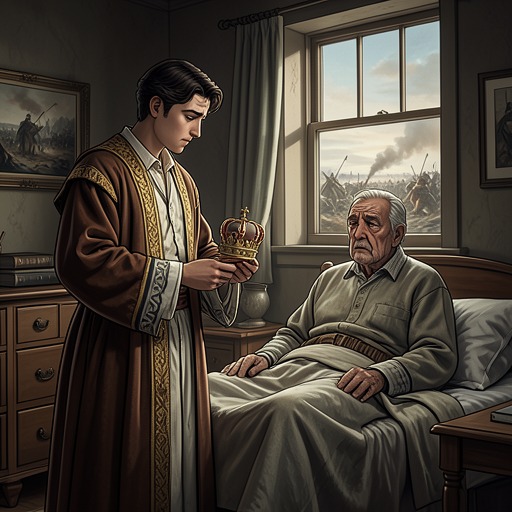
In the [Jerusalem Chamber](entity:location-recall-location-jerusalem-chamber-e4e7dc07de26), [King Henry IV](entity:character-recall-character-king-henry-iv-901f5f71c375) asks for quiet and has the [Crown of England](entity:object-recall-object-1395db9f75c0) placed beside him. [Prince Henry](entity:character-recall-character-prince-henry-229d2458a183) arrives, but the others withdraw, leaving him alone with his sleeping father and the emblem of the authority he is due to inherit.
While King Henry IV lies asleep in the Jerusalem Chamber
Prince Henry Takes the Crown
[Prince Henry](entity:character-recall-character-prince-henry-229d2458a183) considers the crown’s weight and the troubled sleep it brings its bearer. Believing his father may be dead, he takes the crown from the pillow and leaves with it, treating it as the inheritance that now seems to have fallen to him.
Soon after Prince Henry leaves
The King Finds the Crown Gone
Awakening, [King Henry IV](entity:character-recall-character-king-henry-iv-901f5f71c375) discovers that the crown has vanished and assumes that his son has impatiently anticipated his death. He fears that the prince’s desire for power has exposed a deeper betrayal, and sends [Warwick](entity:character-recall-character-warwick-643388fd1151) to bring him back.
Minutes later in the Jerusalem Chamber
The Prince Returns in Grief
[Warwick](entity:character-recall-character-warwick-643388fd1151) finds [Prince Henry](entity:character-recall-character-prince-henry-229d2458a183) weeping in the next room and reports that the prince’s grief appears genuine. The king calls him back and asks why he took the crown, still troubled by the fear that his son had wished for his death.
During the king and prince’s private reconciliation
Prince Henry Explains the Crown
[Prince Henry](entity:character-recall-character-prince-henry-229d2458a183) returns the crown and explains that he spoke to it as the object that had consumed his father’s life. He says he put it on only to test himself against it, and calls on God to deny him the crown if he felt pride or pleasure in its power.
Immediately after the reconciliation
The King Gives His Final Counsel
[King Henry IV](entity:character-recall-character-king-henry-iv-901f5f71c375) accepts his son’s explanation and reflects on the troubled path by which he gained the crown. He warns [Prince Henry](entity:character-recall-character-prince-henry-229d2458a183) that the nobles who helped secure his rule remain dangerous, and advises him to direct restless ambitions toward foreign conflict so they do not threaten the new reign.
Soon after giving his final counsel
The King Dies in Jerusalem Chamber
[King Henry IV](entity:character-recall-character-king-henry-iv-901f5f71c375) asks to be taken to the chamber called [Jerusalem](entity:location-recall-location-jerusalem-8e4409a0f555). He recognizes that a prophecy about dying in Jerusalem, which he once understood as referring to the [Holy Land](entity:location-recall-location-holy-land-0607738951e2), has come true in this room; there he dies, leaving [Prince Henry](entity:character-recall-character-prince-henry-229d2458a183) king.
After King Henry IV’s death
Falstaff Courts Shallow
At [Shallow](entity:character-recall-character-shallow-cb20b3ec9026)’s [Gloucestershire](entity:location-recall-location-gloucestershire-7fdc982ea543) home, [Falstaff](entity:character-recall-character-falstaff-999cac37dc2c) continues to flatter his host and make plans to turn their friendship to advantage. In private, he treats Shallow as an easy source of money and amusement, while the household feast gives the old companions a brief refuge from political change.
The day after King Henry IV’s death
The Court Mourns the King
At [Westminster](entity:location-recall-location-westminster-797ba54e0a11), the princes and courtiers meet under the weight of the king’s death. The [Lord Chief-Justice](entity:character-recall-character-lord-chief-justice-265cb8472de8) expects the new ruler to resent him, while [Warwick](entity:character-recall-character-warwick-643388fd1151) recognizes that the court’s future will depend on what kind of king [Prince Henry](entity:character-recall-character-prince-henry-229d2458a183) becomes.
At the beginning of the new reign
Prince Henry Takes the Throne
[Prince Henry](entity:character-recall-character-prince-henry-229d2458a183) appears as king and tells his brothers that he will share their burdens and care for them. He acknowledges their fear that he will hate them, but promises that the change in his station will not turn him against his family.
During the new king’s first formal audience
The Chief Justice Defends His Judgment
[Prince Henry](entity:character-recall-character-prince-henry-229d2458a183) confronts the [Lord Chief-Justice](entity:character-recall-character-lord-chief-justice-265cb8472de8) over the earlier imprisonment imposed after the prince struck him. The Chief-Justice explains that he acted in the name of the king and the law, not from personal hostility, and challenges the new monarch to judge the matter as if he were a father protecting justice from his own son.
Immediately after the Chief Justice’s defense
The King Entrusts the Sword of Justice
[Prince Henry](entity:character-recall-character-prince-henry-229d2458a183) accepts the Chief-Justice’s reasoning and confirms him in office. He gives him the [Sword of justice](entity:object-recall-object-89ef649d9f22), asks him to keep judging with the same impartial courage, and offers himself as a future subject to the law he expects his own son to obey.
At the same audience, after accepting the Chief-Justice
The King Renounces His Former Life
[Prince Henry](entity:character-recall-character-prince-henry-229d2458a183) tells the court that his former affections and riotous habits are buried with his father. He promises to frustrate the world’s expectations, replace his old companions with formal rule, and summon the [English Parliament](entity:organization-recall-organization-3218fcf0717d) to build a well-governed state.
Soon after the accession, at Shallow’s house
Falstaff Hears of the New King
[Pistol](entity:character-recall-character-pistol-bcd98d617742) brings [Falstaff](entity:character-recall-character-falstaff-999cac37dc2c) the news that the old king is dead and [Prince Henry](entity:character-recall-character-prince-henry-229d2458a183) has become king. Falstaff assumes that he will be welcomed and rewarded, promises [Shallow](entity:character-recall-character-shallow-cb20b3ec9026) an office, and hurries toward [London](entity:location-recall-location-london-420923d4a60a) expecting his former intimacy with the prince to become political influence.
During the preparations for the coronation
Mistress Quickly and Doll Are Taken Away
Beadles drag [Mistress Quickly](entity:character-recall-character-mistress-quickly-52754e8d400c) and Doll Tearsheet through the streets after a man has been killed in their company. They protest their treatment and call for [Falstaff](entity:character-recall-character-falstaff-999cac37dc2c), but he is not there to intervene; their arrest shows that the old tavern world is already vulnerable to the new order.
During the coronation procession
Falstaff Waits for Favor
As the coronation approaches, [Falstaff](entity:character-recall-character-falstaff-999cac37dc2c) positions himself where the new king will pass and rehearses how his worn, travel-stained appearance will prove his devotion. He expects [Prince Henry](entity:character-recall-character-prince-henry-229d2458a183) to recognize their old bond and rewards, treating the public ceremony as a private reunion.
At the coronation procession
The King Rejects Falstaff
[Prince Henry](entity:character-recall-character-prince-henry-229d2458a183) passes [Falstaff](entity:character-recall-character-falstaff-999cac37dc2c) and says, “I know thee not, old man,” rejecting the companion who assumes the old intimacy will survive the change of reign. He orders Falstaff to reform and keeps him ten miles from the royal person, while promising a modest allowance so poverty will not force him into crime.
Immediately after the king’s rejection
Falstaff Is Sent to the Fleet
[Falstaff](entity:character-recall-character-falstaff-999cac37dc2c) insists to [Shallow](entity:character-recall-character-shallow-cb20b3ec9026) that the king’s rebuke is only a public performance and continues to expect private favor. The [Lord Chief-Justice](entity:character-recall-character-lord-chief-justice-265cb8472de8) orders Falstaff and his company taken to the Fleet, making the separation from court immediate and concrete.
As the coronation party departs
Lancaster Foresees the French Campaign
[John of Lancaster](entity:character-recall-character-john-of-lancaster-ed21af1ba773) approves the king’s public settlement with his former companions, who are banished until their conduct improves. He predicts that before the year ends the new king will lead England’s forces into France, pointing toward the foreign campaign that will occupy the next chapter of the history.